
 See My Latest Article on HelloNation
What Do You Need for Brewing Great Coffee at Home?
A good cup of coffee starts with the right basics: fresh coffee, clean water, an appropriate grinder, and a brewing method that matches your tastes and lifestyle. Most homes in Ridgeland use tap water, which is satisfactory for coffee, but always use cold, filtered water for the cleanest cup. A burr grinder is preferred by many coffee enthusiasts for its consistency, but blade grinders are serviceable if used with care.
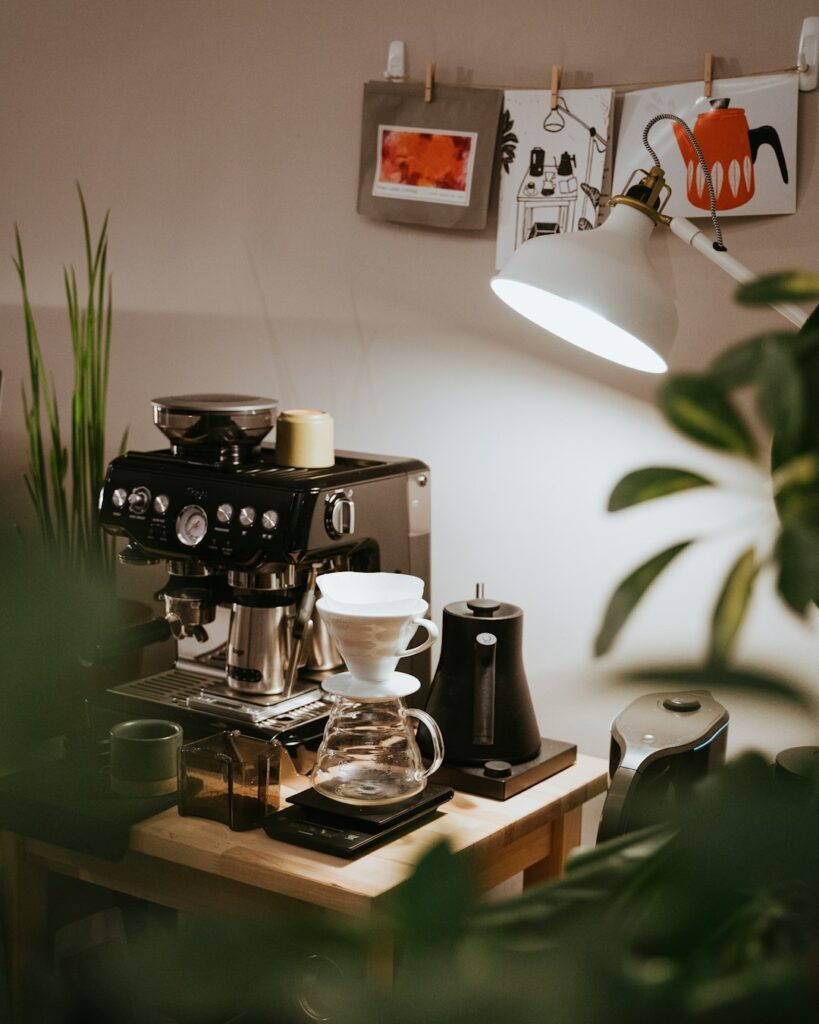
Essential supplies include:
- Fresh, whole coffee beans from a reliable source
- A coffee grinder (burr preferred)
- Digital or kitchen scale for measuring coffee and water
- A brewing device (drip, French press, pour-over, or whichever fits your routine)
- Kettle, preferably with temperature control
Storing beans away from moisture and sunlight—such as in a kitchen cabinet with lower humidity—helps maintain their flavor for longer, especially during Ridgeland’s warm, damp summer months.
How Much Coffee Should You Use?
A standard guide for home brewing is a coffee-to-water ratio of about 1:16—for example, 15 grams of coffee for every 250 grams (about 8 fluid ounces) of water. This is a starting point, not a strict rule. Local residents might adjust for personal preference or the strength of available coffee.
Measuring rather than “eyeballing” keeps your results consistent, especially with daily temperature and humidity shifts common in this region. Use a scale for best results, but in a pinch, two level tablespoons of ground coffee per 6-ounce cup is a fair rough estimate.
Is Water Temperature Important for Brewing?
Yes, the water temperature shapes both the extraction and flavor. The ideal range is between 195°F and 205°F. Water just off the boil usually falls within this target. If water is too cool, your coffee may taste flat or sour; if too hot, bitter flavors emerge.
Given Ridgeland’s moderate tap water temperatures—especially in winter—many kettles will need a longer boil to reach this range than residents expect. Let your kettle rest for 30 seconds after boiling before pouring for most brewing methods.
What Brewing Methods Work Well for Area Households?
Each brewing style offers distinct flavors and fits different routines.
- Drip coffee makers are common and reliable for most kitchens, especially if brewing in larger batches.
- French presses provide a richer, fuller-bodied cup, benefiting those who prefer lower-acidity coffee and don’t mind a few grounds at the bottom.
- Pour-over devices (like cone-style drippers) deliver clarity and highlight nuanced flavors, well-suited to those who enjoy experimenting.
Ridgeland households with small kitchens or lighter coffee habits often lean toward French press or pour-over for easy cleanup and minimal counter space.
How Does Local Climate Affect Home Brewing?
Humidity can influence coffee storage and grind consistency. In the community’s more humid seasons, beans can lose freshness rapidly if left open. Ground coffee clumps more in damp air, sometimes leading to uneven results.
Tips for adapting to the climate:
- Keep beans sealed tightly, ideally in a ceramic or opaque container.
- Only grind just before you brew to retain freshness and avoid clumping.
- Be aware of condensation forming on cold brewing equipment during steamy mornings; always dry thoroughly to avoid any mildew or musty flavors.

What Common Mistakes Should You Avoid?
A few simple issues can cause disappointment:
- Using water that’s too hot or too cold
- Brewing with stale or pre-ground coffee left open too long
- Ignoring brew time—over-extraction leads to bitterness, while under-extraction causes weak flavor
- Reheating coffee on a hot plate, which can make it taste burnt
Another overlooked factor: dish soap or cleaning products not rinsed completely can impart off-flavors. Rinse equipment thoroughly after washing.
What’s the Best Way to Clean Your Equipment?
Coffee oils and residue build up over time, especially if your household brews daily. Regular cleaning improves taste and extends equipment life. For most home brewers:
- Rinse all parts with hot water after each use
- Wash removable pieces with soap and water every few days
- For drip makers, run a solution of one part vinegar to three parts water through the brewing cycle every few weeks, then flush with fresh water
Let everything dry fully to prevent mildew, especially in areas with higher humidity.
How Can You Experiment to Find Your Perfect Cup?
Tuning your brewing method to local water, climate, and personal taste is part of the home coffee journey. Try adjusting one element—like grind size, water ratio, or brew time—at a time and keep notes on the outcomes.
Local residents sometimes find that lighter or medium roast beans suit the area’s soft water well, while darker roasts can mask any variation in water quality. If possible, share batches with other coffee lovers in the community to trade tips and compare notes.