

 See My Latest Article on HelloNation
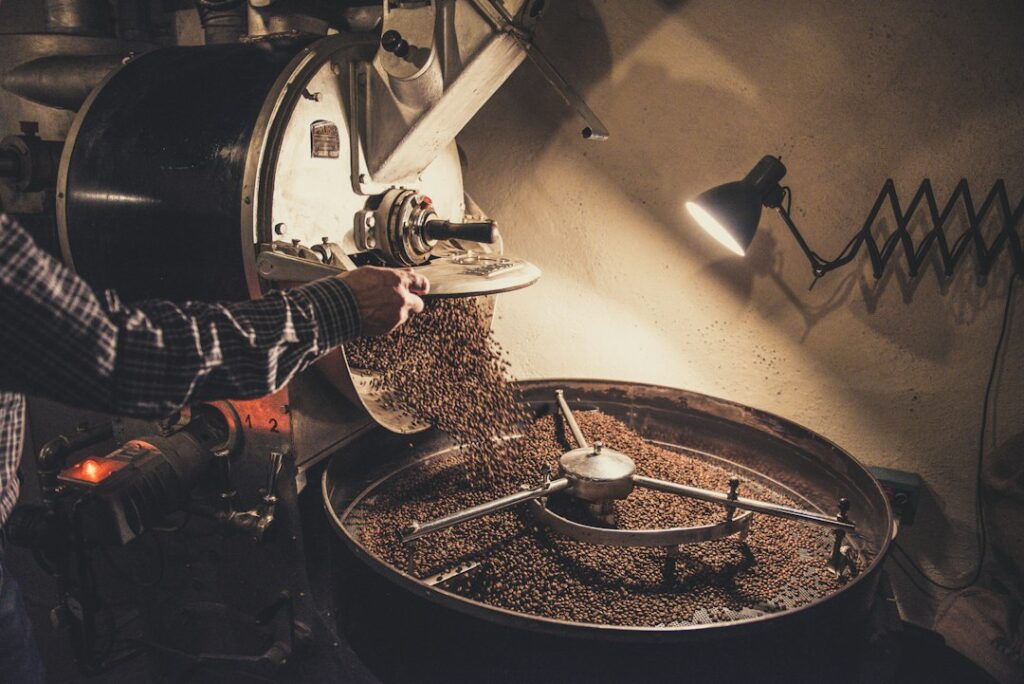
Coffee can be enjoyed with less waste and a smaller environmental footprint, but sustainability depends on more than choosing a particular roast or package. For residents of Ridgeland, MS, practical decisions at home—such as how coffee is brewed, what happens to used grounds, and how cups are discarded—often matter as much as the product itself.
What does sustainable coffee mean?
Sustainable coffee refers to practices that reduce environmental harm, support responsible farming, and treat workers fairly throughout the supply chain. It includes growing methods, farm labor, processing, transportation, packaging, brewing, and disposal.
No single label proves that every part of a coffee’s supply chain is sustainable. A responsible approach is to consider several factors together:
- Farming methods that protect soil, water, and biodiversity
- Fair and transparent treatment of agricultural workers
- Durable or recyclable packaging
- Efficient roasting and transportation
- Brewing methods that limit energy and material waste
- Proper handling of coffee grounds and filters
Sustainability is also shaped by how much coffee is purchased and consumed. Brewing only what will be used prevents unnecessary waste, especially in households where coffee is prepared several times a day.
How does coffee farming affect the environment?
Coffee farming can affect forests, soil, water quality, and wildlife habitat. Shade-grown coffee, when accurately described and responsibly managed, may preserve more tree cover than farms that remove vegetation for full-sun production. Trees can provide habitat, reduce erosion, and help regulate moisture in the soil.
However, “shade-grown” is not always a complete description of farming practices. Consumers may also look for information about:
- Soil conservation and erosion control
- Reduced reliance on synthetic pesticides
- Protection of streams and groundwater
- Water use during coffee processing
- Support for healthy ecosystems around growing areas
Coffee plants are vulnerable to changing temperatures, irregular rainfall, pests, and disease. Farming methods that improve soil health and maintain diverse vegetation can help farms adapt to environmental stress.
Do sustainability certifications guarantee ethical coffee?
Certifications can provide useful information, but they are not perfect guarantees. Programs may evaluate different issues, such as worker protections, farming practices, minimum prices, or environmental standards.
Common certification categories address concerns such as:
- Fair compensation and labor conditions
- Restrictions on certain agricultural chemicals
- Conservation of forests and wildlife
- Traceability through parts of the supply chain
- Requirements for cooperative or community development
A certification mark should be viewed as one source of information rather than the only reason to choose a coffee. Standards vary, audits may have limitations, and conditions can differ between farms and regions. Clear information about sourcing, farming relationships, and production practices is often more useful than vague environmental language on a package.
Which brewing methods create the least waste?
The most sustainable brewing method depends on how much coffee is made, how often it is brewed, and what materials are discarded. A reusable filter can reduce the repeated use of paper, plastic, or aluminum components. Traditional drip brewing with a washable filter, a French press, or a pour-over setup can all be reasonable low-waste choices.
Single-use pods create convenience but may generate more packaging waste per serving. Some can be collected through specialized recycling systems, but they generally should not be placed in household recycling unless local instructions specifically allow them. Even when a pod is technically recyclable, it may require separation, cleaning, and a collection pathway that is not available in every community.
For any brewing method, efficiency improves when the amount of water and coffee matches the number of servings. A full pot that sits unused represents wasted coffee, water, and electricity. An insulated container can help keep coffee warm without leaving a heating plate on for extended periods.
Can coffee grounds go in the compost?
Used coffee grounds can usually be composted because they are a nitrogen-rich organic material. Paper filters may also be compostable if they are free of plastic coatings, staples, and other non-compostable materials.
At home, grounds can be added in moderate amounts to a balanced compost mixture containing dry leaves, shredded paper, or other carbon-rich materials. Large quantities of wet grounds can become compacted and slow decomposition, so they should be mixed rather than added as a thick layer.
Coffee grounds should not automatically be treated as a fertilizer. They contain useful organic matter, but fresh grounds may be too acidic or dense for some plants. Composting them first is generally a better approach than spreading large amounts directly around garden plants.
For households in Ridgeland, seasonal heat and humidity can make outdoor organic materials break down quickly, but those same conditions can also create odors or pests if compost remains too wet. A covered, well-aerated container and a balanced mix help maintain better conditions.
What should consumers know about coffee packaging?
Packaging protects coffee from oxygen, moisture, light, and loss of freshness. That protection can reduce food waste, but it may make the package harder to recycle. Many coffee bags combine multiple materials, use valves, or include linings that are not accepted in ordinary recycling programs.
Before placing a coffee package in a recycling container, check local collection guidance rather than relying only on the recycling symbol. The symbol may identify the material but does not necessarily mean the package is accepted in a particular community’s recycling system.
Practical ways to reduce packaging waste include:
- Buying an amount that can be used while the coffee is still fresh
- Choosing larger packages when the coffee will be consumed before staling
- Reusing sturdy containers for storage
- Avoiding unnecessary individually wrapped portions
- Checking whether a package has a clearly stated disposal pathway

Reusable storage containers should be clean, dry, and airtight. Coffee is best kept away from heat, direct sunlight, and moisture—conditions that can be especially relevant in warm, humid seasons.
Is local coffee automatically more sustainable?
Coffee beans must travel from growing regions to consumers because coffee plants require specific climates. Local roasting can shorten the final transportation leg and may make freshness easier to manage, but it does not automatically make the entire product sustainable.
Transportation is only one part of coffee’s environmental impact. Farming, processing, packaging, roasting, refrigeration, brewing, and waste disposal also matter. A nearby product with excessive packaging or wasteful preparation may not have a lower overall footprint than a carefully sourced product transported from farther away.
Consumers can ask practical questions without expecting a simple answer:
- Where were the beans grown?
- How were farmers and workers supported?
- What type of packaging is used?
- How much waste does the preparation method create?
- Can the package or brewing materials be reused or properly processed?
How can coffee drinkers reduce waste at home?
The most reliable improvements are ordinary habits rather than complicated equipment. Measure the amount needed, store coffee properly, and use reusable items when they are convenient and durable.
A lower-waste coffee routine may include:
- Brewing only the amount likely to be consumed
- Using a reusable mug for coffee prepared at home
- Carrying a durable cup when purchasing coffee away from home
- Choosing washable filters when practical
- Composting grounds and suitable paper filters
- Cleaning brewing equipment so it remains efficient
- Avoiding unnecessary disposable stirrers, lids, and sleeves
- Reusing leftover brewed coffee in cooking or chilled drinks
Reusable products also have an environmental cost because they require raw materials and manufacturing. Their benefits increase when they are used for a long time rather than replaced frequently for appearance or convenience.
What is the most realistic sustainable choice?
There is no single perfect coffee choice. A realistic approach combines informed purchasing with low-waste habits: choose coffee with credible sourcing information, avoid buying more than can be used, brew efficiently, reuse durable equipment, and dispose of grounds and packaging according to local rules.
For residents, the most immediate opportunities are usually found in the kitchen. Reducing wasted brewed coffee, keeping packaging out of the wrong recycling stream, and composting grounds when possible can make sustainability part of a normal coffee routine without requiring major changes.