
 See My Latest Article on HelloNation
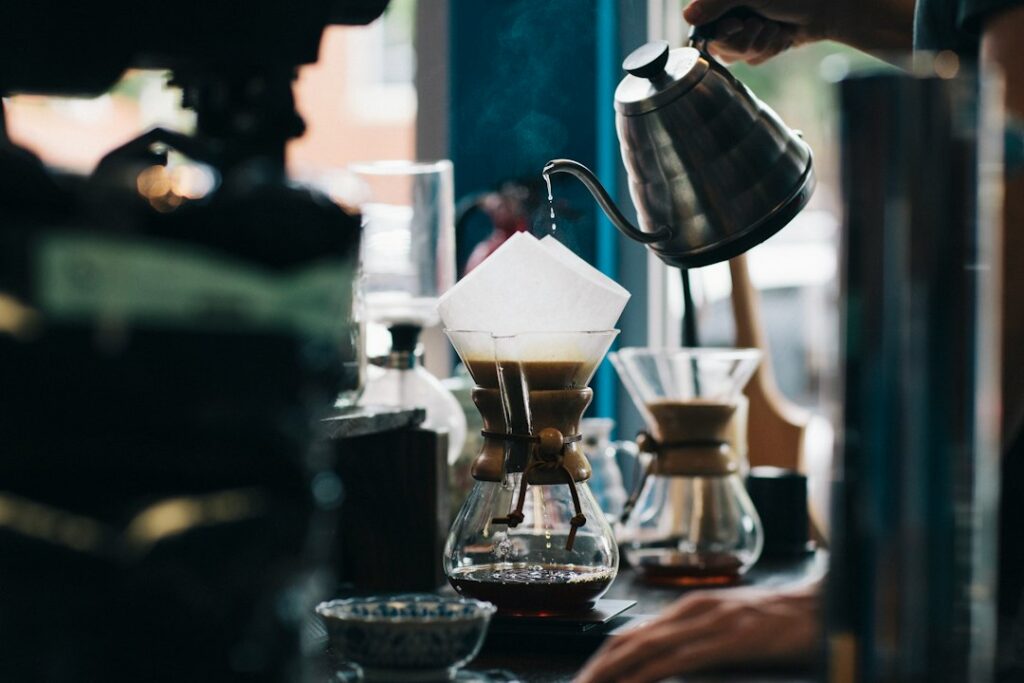
Coffee brewing problems are often caused by a few simple variables: grind size, water temperature, coffee-to-water ratio, freshness, and timing. For households in Ridgeland, MS, understanding how those factors interact can make everyday coffee more consistent without requiring expensive equipment.
Why does home-brewed coffee taste bitter, weak, or sour?
The flavor usually points to an extraction problem. Coffee extraction is the process of dissolving flavor compounds from ground coffee into water.
- Bitter, harsh, or dry coffee often means the grounds were over-extracted. The grind may be too fine, the water too hot, or the brewing time too long.
- Weak, thin, or watery coffee may result from too little coffee, too much water, an overly coarse grind, or an unusually short brew time.
- Sour or sharp coffee is commonly under-extracted. The water may have moved through the grounds too quickly, or the grind may be too coarse.
- Flat or stale-tasting coffee may come from old beans, poor storage, or ground coffee that has been exposed to air for too long.
Change one variable at a time. Adjusting the grind and the amount of coffee simultaneously can make it difficult to identify what actually improved the cup.
Are you using the wrong grind size?
Grind size should match the brewing method. A mismatch is one of the most common causes of inconsistent results.
- Drip coffee makers: medium grind
- Pour-over brewers: medium to medium-fine grind, depending on the filter and flow rate
- French press: coarse grind
- Stovetop brewers: medium-fine grind
- Espresso-style brewing: fine grind
A grind that is too fine can slow water flow and produce bitterness. A grind that is too coarse may allow water to pass through too quickly, leaving the coffee underdeveloped.
If the coffee tastes weak but the measured recipe is correct, try grinding slightly finer. If it tastes harsh or takes unusually long to brew, move slightly coarser. Small adjustments are usually more useful than dramatic changes.
Does the coffee-to-water ratio matter?
Yes. The ratio controls strength, while grind size and brewing time have a greater effect on extraction. Many brewing problems are blamed on the beans when the actual issue is an inconsistent ratio.
A practical starting point is about 1 gram of coffee for every 15 to 17 grams of water. For people who do not use a scale, this is approximately 2 level tablespoons of ground coffee for every 6 fluid ounces of water, though spoon measurements vary.
A kitchen scale provides better repeatability. If a cup is too strong, increase the water slightly before reducing the coffee dramatically. If it is too weak, add a little more coffee while keeping the brewing method unchanged.
Is tap water affecting the flavor?
Water makes up most of the finished drink, so its quality matters. Water with a strong chlorine taste, excessive mineral content, or an unusual odor can affect the aroma and finish.
Filtered water is often a practical choice, but completely purified or distilled water is not always ideal for brewing. Water with some mineral content generally extracts coffee more effectively than water with almost none.
In Ridgeland, MS, local households may notice changes in flavor after replacing a filter, moving between water sources, or using water that has been stored for several days. If coffee flavor changes unexpectedly, taste the brewing water by itself. An unpleasant water flavor will usually remain noticeable in the finished cup.
Avoid using warm water directly from the tap. Use cold water and heat it through the brewing equipment.
How hot should brewing water be?
Water that is too cool can produce sour, weak coffee. Water that is excessively hot can create harsh flavors, especially when paired with a fine grind or extended contact time.
For most manual and automatic brewing methods, water around 195 to 205 degrees Fahrenheit is a useful target. Water does not need to be boiling. If using a kettle without temperature controls, allow freshly boiled water to rest briefly before pouring.
Automatic coffee makers vary in how well they control temperature. If a machine consistently produces flat or sour coffee despite correct measurements, the brewing temperature and contact time may be contributing factors.
Are the beans fresh enough?
Coffee gradually loses aroma after roasting, and grinding speeds up that process because more surface area is exposed to air. Freshness does not mean the beans must be used immediately after roasting, but coffee that has been open for a long time may taste dull even when the brewing technique is sound.
Store coffee in:
- An airtight, opaque container
- A cool, dry cabinet
- A location away from the stove, sink, and direct sunlight
Warm, humid kitchen conditions can accelerate staling and cause moisture-related problems. This is especially relevant during the warmer, more humid parts of the year. Avoid storing coffee in the refrigerator, where repeated temperature changes and nearby food odors can affect it.
Buy amounts that can be used within a reasonable period, and grind only what is needed when possible.
What mistakes happen with automatic drip coffee makers?
Automatic brewers are convenient, but they still require attention to basic preparation.
Common problems include:

- Using the machine’s cup markings as if they were standard drinking-cup measurements
- Packing coffee into the filter instead of leaving it loose
- Failing to distribute grounds evenly
- Brewing a small amount in a machine designed for a larger batch
- Leaving coffee on a heated plate for too long
- Neglecting mineral buildup inside the machine
Many coffee maker “cups” hold less than a typical household mug. Read the reservoir markings carefully and use the same measurement system each time.
If the first part of the brew tastes stronger than the last, the grounds may not be receiving water evenly. A gentle shake of the filter basket before starting can help distribute the coffee, as long as the filter remains properly seated.
Why does a French press sometimes taste muddy?
French press coffee can taste muddy when the grind is too fine, the filter is damaged, or the coffee is left sitting on the grounds after brewing.
Use a coarse, evenly ground coffee and allow it to steep for approximately four minutes as a starting point. Press slowly, and pour the coffee into another vessel rather than leaving it in the press. A metal filter allows more oils and fine particles into the cup than a paper filter, so some sediment is normal.
If the coffee tastes bitter, reduce the steeping time or use a slightly coarser grind. If it tastes thin, check the ratio before extending the steeping time.
Should coffee equipment be cleaned regularly?
Yes. Old coffee oils become rancid and can make fresh coffee taste stale or bitter. Mineral deposits can also slow water flow and interfere with brewing temperature.
Clean removable parts after regular use, including the carafe, filter basket, brew basket, and French press screen. Wash away visible oils rather than only rinsing with water.
For equipment with internal water paths, follow the manufacturer’s cleaning instructions. In areas where mineral buildup is noticeable, descaling may be needed periodically. Never mix cleaning chemicals, and rinse thoroughly after any descaling process.
A clean grinder also matters. Coffee residue left inside a grinder can add stale flavors and alter the effective grind size.
How can residents troubleshoot a bad cup quickly?
Use the flavor as a starting clue:
- Bitter or dry: grind coarser, shorten brew time, or reduce water temperature.
- Sour or sharp: grind finer, extend brew time slightly, or use hotter water.
- Weak: increase the coffee dose or reduce the water.
- Too strong: add water after brewing or reduce the coffee dose.
- Muddy: use a coarser grind and check the filter.
- Flat: use fresher coffee, improve storage, and clean the equipment.
- Inconsistent: weigh the coffee and water, then keep the method unchanged while testing adjustments.
The most reliable improvement usually comes from consistency rather than complexity. Use the same water, measure the ingredients, keep the equipment clean, and make one adjustment at a time.