

 See My Latest Article on HelloNation
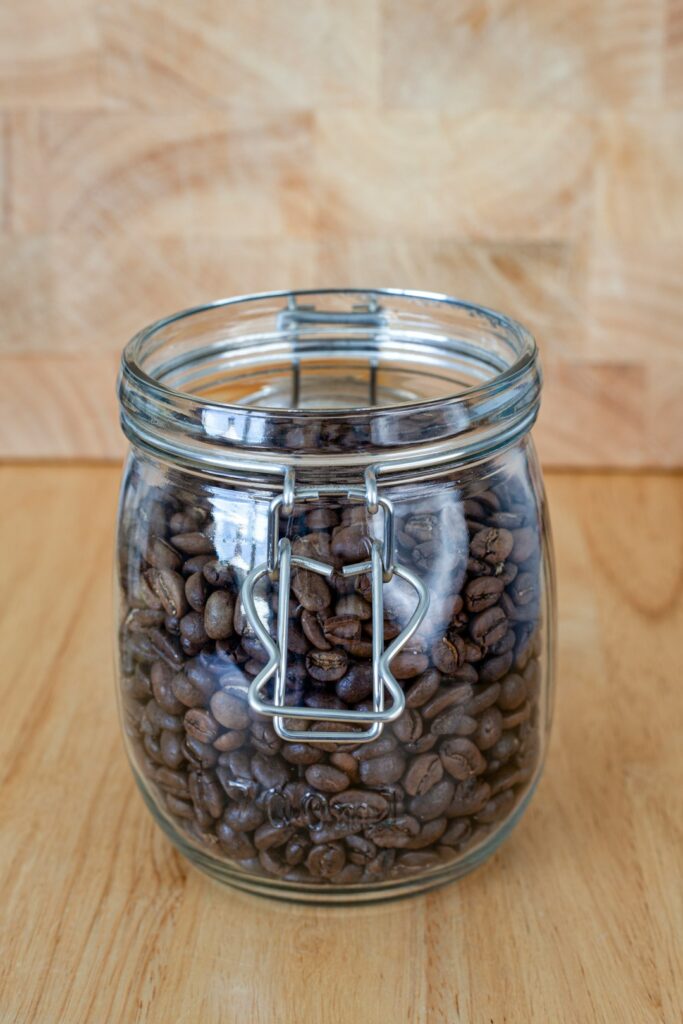
Fresh coffee depends on more than the roast date or brewing method. The way beans are stored after purchase has a major effect on flavor, aroma, and shelf life. For households in Ridgeland, MS, warm temperatures, humidity, and frequent seasonal changes make proper storage especially useful.
What is the best way to store coffee beans?
The best storage method is an airtight, opaque container kept in a cool, dry cabinet away from light, heat, moisture, and strong odors. Whole beans should remain at room temperature unless there is a specific reason to freeze them.
Coffee beans naturally release carbon dioxide after roasting. They also slowly react with oxygen, a process that causes stale or flat flavors. Limiting exposure to air helps preserve the coffee’s aroma and character.
A suitable container should have:
- An airtight seal
- An opaque or nontransparent body
- A clean, dry interior
- Enough space for the amount of coffee being used within a few weeks
A cabinet or pantry is generally better than a countertop near an oven, stovetop, dishwasher, or sunny window.
Should coffee beans be kept in the original bag?
The original bag may be suitable if it is designed with a reliable resealable closure and a one-way valve. That valve allows gases from freshly roasted beans to escape without allowing much outside air back in.
If the bag does not reseal securely, transfer the beans to an airtight container. Avoid repeatedly opening a large container throughout the day if only a small amount is needed. Dividing coffee into smaller portions can reduce the amount of air exposed to the unused beans.
Do not pour new beans on top of old beans without cleaning the container. Oil residue and stale particles left behind can affect the flavor of a fresh batch.
Where should coffee beans be stored in a home?
Store coffee in a shaded cabinet located away from sources of heat and moisture. The area should be convenient enough that the container can remain closed between uses.
Commonly unsuitable locations include:
- Above or beside a stove
- Near a sink or dishwasher
- On a windowsill
- In a garage or outdoor storage area
- Next to spices, onions, or other strongly scented foods
- In a cabinet that becomes noticeably warm during the afternoon
In Ridgeland, warm and humid weather can make kitchen storage more challenging, especially in homes where air conditioning cycles vary throughout the day. A dry interior cabinet is usually more stable than an open shelf or pantry area exposed to outdoor air.
Is it better to store coffee beans in the refrigerator?
Refrigerating coffee beans is usually not recommended. Refrigerators contain moisture and many competing odors, and coffee can absorb both. Repeatedly taking the container in and out also creates temperature changes that may lead to condensation.
Condensation is particularly harmful because even small amounts of moisture can affect the beans and encourage uneven flavor. A tightly sealed container may reduce the risk, but refrigeration still tends to create more problems than it solves for ordinary household use.
Coffee should also never be stored near foods with strong aromas unless the container provides an exceptionally reliable barrier.
Can coffee beans be frozen?
Freezing can preserve coffee for longer-term storage when done carefully. It is most useful for beans that will not be used within several weeks, rather than for coffee that is opened and closed every day.
For best results:
- Divide beans into single-use or short-term portions.
- Use airtight, moisture-resistant packaging.
- Remove as much air as practical before sealing.
- Label each portion with the roast date and freezing date.
- Thaw a sealed portion completely before opening it.
- Do not repeatedly freeze and thaw the same beans.

Opening a cold package before it reaches room temperature can allow moisture from the surrounding air to condense on the beans. Once a portion has thawed, use it rather than returning it to the freezer.
Freezing is not required for most coffee drinkers. It is mainly a way to slow aging when purchasing more coffee than can be consumed promptly.
How long do coffee beans stay fresh?
Coffee beans generally offer their best flavor within several weeks of roasting, although the exact window depends on the roast, packaging, processing method, and personal preference. Proper storage slows quality loss but does not stop it.
A practical household approach is to buy an amount that can be used within two to four weeks after opening. Smaller purchases are often preferable to storing a large supply for an extended period.
The roast date is more useful than a generic “best by” date for judging freshness. A best-by date is usually intended to describe acceptable quality over a broad period, not the point at which the coffee tastes most vibrant.
How can stale coffee beans be identified?
Stale beans often produce a weaker, flatter, or less aromatic cup. Signs may include:
- A dull smell instead of a noticeable roasted aroma
- Little flavor distinction between different coffees
- A thin or papery taste
- Excessive bitterness or a dry finish
- Reduced crema in espresso, although crema also depends on grind, equipment, and brewing technique
Stale coffee is not automatically unsafe to drink. The main concern is quality rather than food safety, provided the beans have remained dry and free from contamination. Beans that smell moldy, show visible moisture damage, or have unusual growth should be discarded.
Does grinding coffee affect storage?
Yes. Ground coffee becomes stale faster than whole beans because grinding increases the surface area exposed to oxygen. For the freshest flavor, grind only the amount needed shortly before brewing.
If pre-ground coffee is necessary, store it in the same type of airtight, opaque container used for whole beans. Keep the container closed between uses and avoid storing it near heat or humidity.
A common mistake is to focus on the storage container while leaving ground coffee exposed in a grinder hopper for days. If the grinder is not used frequently, storing beans in a sealed container and filling the hopper only as needed may protect flavor more effectively.
What is the most practical storage routine?
A simple routine works well for most households:
1. Buy a manageable amount of whole-bean coffee.
2. Keep it in its original resealable bag or transfer it to an airtight, opaque container.
3. Store it in a cool, dry cabinet.
4. Keep the container away from sunlight, steam, and kitchen heat.
5. Grind only what is needed for each brewing session.
6. Wash and fully dry the container before adding a new batch.
7. Freeze only carefully portioned coffee that will be stored longer than the normal usage period.
The goal is not to create a complicated preservation system. It is to limit the four main causes of quality loss: oxygen, moisture, heat, and light. A stable cabinet, a well-sealed container, and a reasonable purchase amount are usually enough to keep beans tasting fresh for everyday brewing.