
 See My Latest Article on HelloNation
What Is Espresso, and How Does It Differ From Regular Coffee?
Espresso is a concentrated coffee origin from Italy that sets the foundation for many favorite café beverages. Unlike drip coffee, espresso is created by forcing near-boiling water through finely ground coffee using high pressure. The result is a small, intense shot known for its robust flavor, distinctive crema (the golden layer on top), and smaller serving size.
In Ridgeland, where humid southern summers meet cooler winters, espresso-based drinks appeal to both iced coffee drinkers and those seeking cozy, warming cups. The coffee-to-water ratio and quick brewing time also make espresso a favorite for residents with busy schedules.
What Are the Core Espresso-Based Drinks and How Are They Made?
Most espresso drinks begin with a shot of espresso and differ by added ingredients, ratios, and temperatures. Understanding these core preparations can clarify café menus and improve drink choices:
- Espresso: A single 1-ounce shot made purely from finely ground coffee and hot, pressurized water. Strong, rich, and usually served in a small demitasse cup.
- Double Espresso (Doppio): Two shots combined, providing twice the caffeine and bolder flavor.
- Americano: Espresso topped with hot water, creating a drink closer in strength and volume to regular coffee but with signature espresso notes.
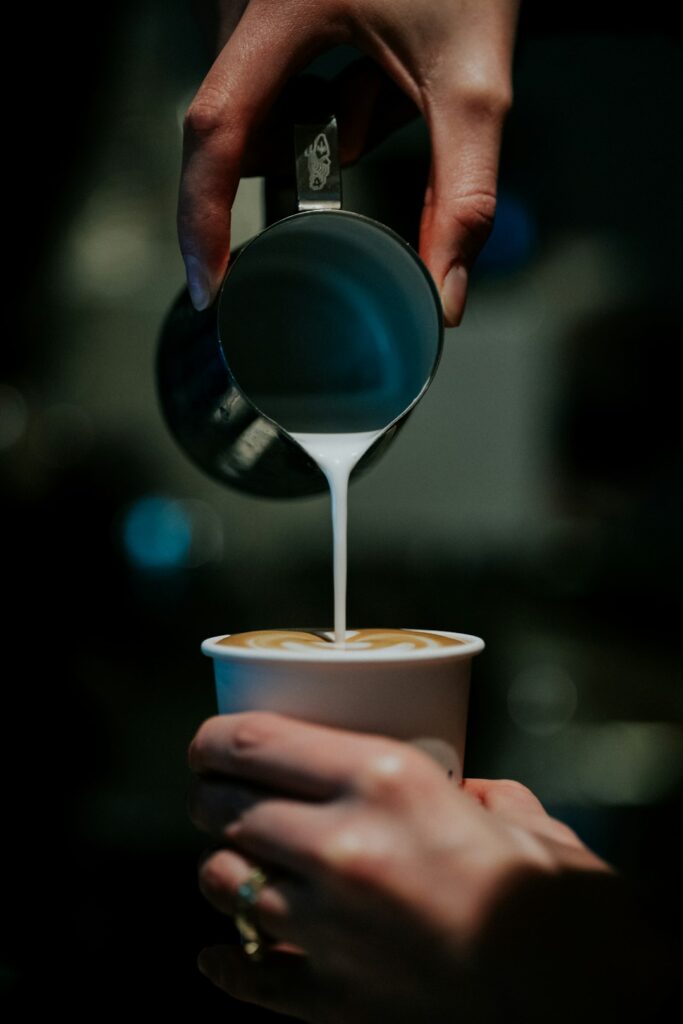
- Latte: Espresso topped with generous steamed milk and a small amount of milk foam, resulting in a creamy, mild drink popular throughout the community, especially for those new to espresso.
- Cappuccino: A balanced mix (traditionally thirds) of espresso, steamed milk, and foam. Cappuccinos are lighter than lattes and offer a foamier texture.
- Macchiato: Espresso "marked" with just a dollop of foamed milk, preserving the bold extraction but tempering the bite.
- Flat White: Similar to a latte with a higher ratio of espresso to milk, and topped with very fine microfoam, giving it a velvety mouthfeel.
- Mocha: Blends espresso with hot chocolate and steamed milk, creating a rich, sweet beverage ideal for those who enjoy both coffee and dessert flavors.
These drinks are available hot or iced, depending on the season or personal taste, and can be modified with alternative milks or flavor syrups common in the area.
What Should Beginners Know About Ordering Espresso Drinks?
Choosing from an espresso menu can feel intimidating. For first-timers in Ridgeland:
- Focus on taste preferences: lattes and mochas are popular starter options due to their sweetness and creaminess.
- Specify size preferences; some shops default to European-style servings, while others provide larger American sizes.
- Ask about milk options (dairy or alternatives like oat or almond) if dietary needs matter.
- You can always request adjustments, such as extra foam, less sweetener, or an extra shot of espresso for more strength.
Many local residents also enjoy iced espresso drinks during warm weather, making cold options widely available.
How Does Espresso Drinking Fit Into Daily Life in Ridgeland?
The espresso culture locally caters to a mix of social and practical needs. For early risers and commuters, a quick espresso or an Americano provides a fast, caffeine-rich start. During the more temperate months, outdoor patios and community spaces may fill with residents sipping lattes or iced mochas, using the café environment as a gathering place or informal workspace.
In homes, compact espresso makers or stovetop pots let residents recreate drinks—particularly for small gatherings, weekend breakfasts, or when seeking a midday boost. The humidity of spring and summer leads many to favor iced lattes and Americanos, while cooler winter mornings inspire more hot drinks enjoyed indoors.
Are There Misconceptions About Caffeine Content in Espresso Drinks?
A common local misconception is that espresso drinks contain far more caffeine than regular brewed coffee. In reality:
- A single shot (about 1 ounce) of espresso has less caffeine than a standard 8-ounce cup of drip coffee, but is more concentrated by volume.
- Drinks with multiple shots (like a 16-ounce latte or Americano) can easily reach or exceed the caffeine of a regular coffee.
- Iced espresso drinks, while refreshing, are equally strong as their hot counterparts if the base volume is the same.

Residents sensitive to caffeine can request single shots or decaffeinated espresso—a common practice in the city for late-afternoon or evening coffee meetups.
What Equipment Is Typical for Making Espresso at Home?
For area households interested in preparing espresso drinks at home, options exist for a range of budgets and experience levels:
- Manual stovetop espresso makers ("Moka pots"): Affordable and stovetop-friendly, producing strong, rich coffee though not officially "true" espresso due to lower pressure.
- Electric espresso machines: Available in various sizes and complexities, from simple push-button models to intricate setups with built-in grinders and milk steamers.
- Pod-based machines: Provide convenience but may limit flexibility in coffee choice.
Local water quality—softened throughout much of the city—can affect the taste and maintenance of espresso equipment. Regular cleaning, descaling, and use of filtered water help preserve machine longevity and drink quality.
What Environmental and Community Considerations Apply to Espresso Use?
Residents increasingly seek sustainable coffee habits, even with espresso drinks. Common practices include:
- Using reusable cups for to-go beverages to reduce single-use waste.
- Choosing plant-based milk alternatives, which have become widely available and are well suited for foam-based drinks.
- Participating in grounds recycling or composting programs at home or through local initiatives.
Many area households are also attentive to noise and aroma when using home espresso equipment, especially in shared spaces or apartment complexes.