
 See My Latest Article on HelloNation
What Are the Main Types of Coffee Beans?
Most coffee enjoyed in Ridgeland comes from just a few primary types of beans: Arabica, Robusta, Liberica, and Excelsa. All coffee beans originate from the seeds of fruit called coffee cherries, but the species and growing conditions create significant differences in flavor, aroma, and coffee strength. The vast majority of brewed coffee in homes, offices, and small community events is made from Arabica or Robusta beans.
How Does Arabica Coffee Differ From Robusta?
Arabica beans are generally considered smoother and more nuanced, while Robusta offers a stronger, more bitter cup. Arabica, which makes up about 60-70% of global coffee production, tends to have a sweeter, often fruitier taste, and less bitterness, which appeals to residents who enjoy lighter, more aromatic brews. Robusta, on the other hand, is higher in caffeine and often favored for its strong, earthy flavor, and its traditional use in espresso blends.
How to spot the difference in your cup:
- Arabica usually provides a cleaner, sometimes chocolaty or floral aroma
- Robusta is more likely to have a persistent, heavier aftertaste with a touch of smokiness
In local households, those who prefer coffee with milk or who enjoy a noticeable caffeine boost may lean toward blends containing more Robusta, especially if using automatic drip machines or single-serve pods.
Are Less Common Beans Like Liberica and Excelsa Important Locally?
While not usually found on grocery shelves in Ridgeland, Liberica and Excelsa beans do occasionally show up in specialty blends or during community coffee tastings. Liberica beans offer a woodsy, smoky flavor with fruity undertones—sometimes described as a “bit mysterious.” Excelsa, technically a variety of Liberica, is used sparingly to add tart, fruity character to certain blends.
Most local coffee drinkers will rarely encounter these beans unless seeking out especially unique flavors, but knowing about them helps in understanding how specialty blends get their distinct personality.
Does Bean Type Affect How Coffee Should Be Brewed at Home?
The bean type plays a role in brewing success, especially for those using pour-over, French press, or cold-brew methods popular in area households. Arabica’s subtlety is best appreciated with gentler brewing:
- Pour-over or drip brewing brings out Arabica’s delicate notes
- French press works well for both Arabica and Robusta, especially for richer, full-bodied coffee
- Robusta can handle stovetop espresso or high-pressure coffee makers due to its strength
For residents who relish weekend coffee rituals, experimenting with different beans and brew methods can offer new flavors suited to the local pace of life.
What’s the Effect of Growing Regions and Climate on Coffee Beans?
Coffee bean characteristics are shaped not only by species, but also by where they’re grown. So-called “origin” coffees—labeled by their country or region—vary in flavor due to soil, altitude, temperature, and rainfall patterns. While Ridgeland’s climate can’t support coffee farms, residents can choose from beans grown in diverse environments elsewhere, resulting in:
- African coffees, often lively with citrus or berry notes
- Central and South American beans, generally balanced and nutty or chocolaty
- Southeast Asian varieties, recognized for their earthiness and herbal qualities

Appreciating these differences can deepen enjoyment and help area households discover new favorites.
Are There Common Misconceptions About Coffee Beans?
It’s a myth that all “coffee strength” comes from roasting rather than the bean itself. Robusta’s higher caffeine content and Arabica’s gentler acidity demonstrate that bean variety alone has a major impact. Another misconception is that darker roast always means higher caffeine; in fact, lighter roasts can sometimes have more.
Product packaging can also mislead—words like “100% coffee” or “gourmet blend” do not necessarily signal a particular species or better quality.
What Should Residents Look for When Choosing Beans at Local Markets?
When shopping for coffee beans for home brewing, the main factors to consider are:
- Species (Arabica vs. Robusta)
- Roast level (light, medium, dark)
- Date roasted—freshness impacts flavor
- Intended brewing method
Most local grocery stores carry primarily Arabica-based blends, with Robusta appearing in some pre-ground espresso products. For those newly exploring, starting with single-origin Arabica beans provides a gentle introduction to origin flavors without overwhelming bitterness.
Does Whole Bean or Pre-Ground Matter With Bean Types?
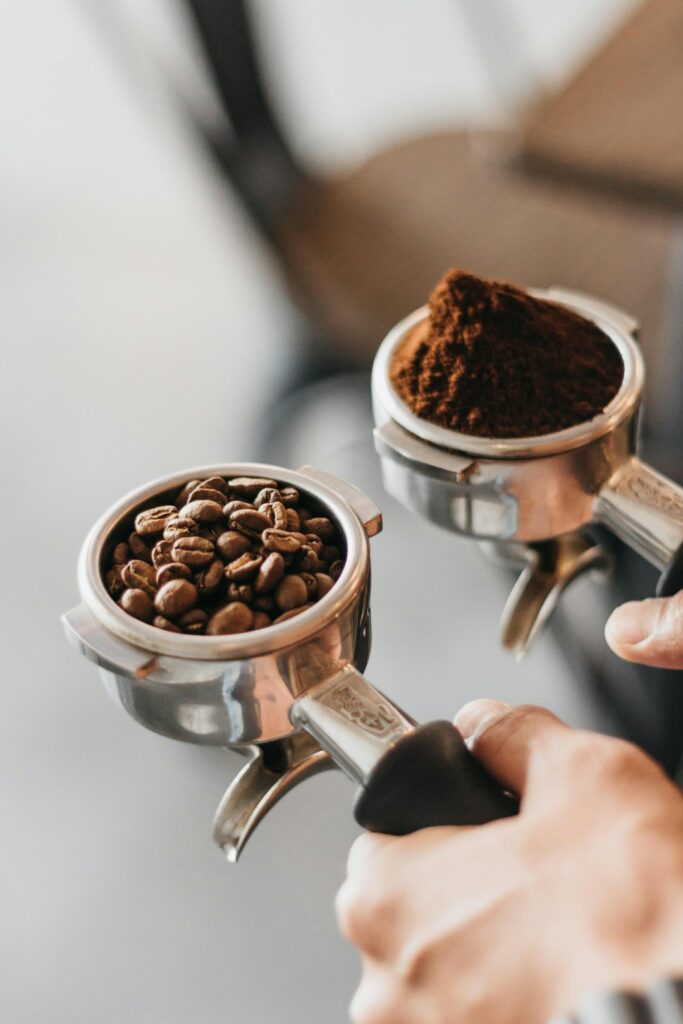
Grinding just before brewing preserves the unique flavors of each bean type—Arabica’s floral aromas or Robusta’s bold punch are more apparent when fresh. Pre-ground coffee is often a blend, which can mask the distinctive notes of individual beans.
For area residents with small grinders at home, purchasing whole beans from trusted sources generally offers the best flavor and aroma. Pre-ground products, however, remain a practical option for busy mornings or larger local households.