

 See My Latest Article on HelloNation
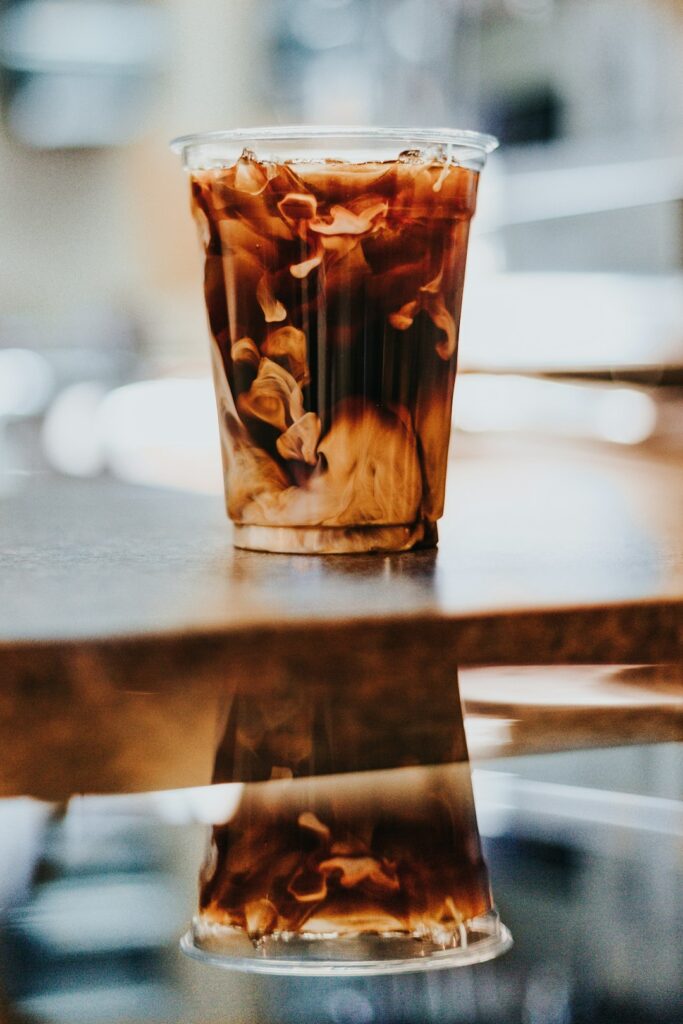
Coffee menus can look complicated because they combine drink names, preparation methods, milk choices, sizes, temperatures, and flavor additions in a small amount of space. Once those categories are separated, ordering becomes much easier.
For residents of Ridgeland, MS, reading a menu well can also help with practical decisions such as choosing a cool drink during a humid afternoon, selecting a stronger option for an early commute, or finding a beverage that is less sweet than it first appears.
What are the main sections of a coffee menu?
Most coffee menus are organized around a few basic categories: brewed coffee, espresso drinks, cold beverages, tea, and add-ons. The category usually tells you more than the drink’s creative name.
Brewed coffee is made by passing hot water through ground coffee. It is typically served by the cup or in a larger size and may be available as a regular or decaffeinated option.
Espresso drinks use concentrated coffee prepared by forcing water through finely ground beans. Common examples include lattes, cappuccinos, Americanos, and macchiatos.
Cold coffee drinks may include iced versions of hot beverages, cold brew, espresso over ice, or blended drinks. These are not all prepared in the same way.
Tea and noncoffee beverages may include black tea, green tea, herbal infusions, hot chocolate, or steamed milk. A drink can be listed near coffee even if it contains no coffee at all.
Add-ons often include syrups, whipped cream, alternative milks, extra espresso, sweeteners, or flavor toppings. These may change both the taste and the nutritional profile.
How do brewed coffee and espresso differ?
Brewed coffee and espresso differ mainly in preparation, concentration, and serving style. Espresso tastes more concentrated, but a brewed coffee serving may contain a similar or greater total amount of caffeine depending on its size.
Brewed coffee is usually prepared with a larger amount of water and served in a cup or mug. Its flavor can range from light and tea-like to dark and rich, depending on the beans and roasting approach.
Espresso is served in much smaller portions. It has a dense texture and concentrated flavor, often with a layer of foam-like crema on top. Espresso is also used as the base for many milk drinks.
The word “strong” can mean different things on a menu. It might refer to:
- A more intense roasted flavor
- A higher number of espresso shots
- A larger serving of coffee
- Less milk or water
- More caffeine
If caffeine is the main concern, ask how many shots are included rather than relying on words such as “bold” or “strong.”
What do common espresso drink names mean?
The names of espresso drinks generally describe the relationship between espresso, milk, water, and foam.
A latte usually contains espresso with a relatively large amount of steamed milk and a thin layer of foam. It tends to taste smooth and mild because the milk softens the espresso.
A cappuccino generally contains espresso, steamed milk, and a thicker layer of foam. It often tastes more concentrated than a latte because it includes less liquid milk.
An Americano combines espresso with hot water. It has no milk unless added separately and can resemble brewed coffee while retaining an espresso-based flavor.
A mocha combines espresso, milk, and chocolate flavoring. The chocolate may be added as a sauce, powder, or syrup, so sweetness can vary.
A macchiato traditionally means espresso marked with a small amount of milk or foam. However, modern menus sometimes use the name for a much larger, sweeter milk drink. The menu description matters more than the name alone.
A flat white commonly contains espresso and steamed milk with a smooth, fine texture. It often has less foam than a cappuccino and a more noticeable coffee flavor than a latte.
Because terminology is not perfectly standardized, reading the ingredient description is more reliable than ordering by name alone.
What is the difference between iced coffee and cold brew?
Iced coffee is usually brewed hot and then cooled over ice or poured directly onto ice. Cold brew is made by steeping coffee grounds in cool or room-temperature water for many hours before filtering.
Iced coffee often has a brighter, more familiar brewed-coffee flavor. Cold brew usually tastes smoother and less acidic, although the final result depends on the coffee, steeping time, dilution, and storage.
Cold brew is not automatically stronger or higher in caffeine. Some versions are served as a concentrate and diluted with water or milk; others are ready to drink. If caffeine matters, ask whether the drink is concentrated and how it is diluted.
In Ridgeland’s warm, humid conditions, cold drinks may be appealing for much of the year, but cold beverages can also be consumed quickly. Drinking slowly and paying attention to caffeine content can help prevent an unintended energy boost late in the day.
How should milk choices be read?
Milk options affect texture, flavor, sweetness, and sometimes caffeine indirectly by changing the balance of the drink. Dairy milk generally creates a creamy texture, while plant-based choices can range from light and neutral to naturally sweet or distinctly flavored.
Ask whether a menu’s alternative milk is:
- Included in the listed price
- Available steamed for hot drinks
- Sweetened or unsweetened
- Used automatically in a particular specialty beverage

A milk substitution does not necessarily make a drink low in sugar or calories. Some alternative milks contain added sweeteners, while flavored syrups may contribute more sweetness than the milk itself.
For a less sweet drink, ordering unsweetened milk is only part of the process. It may also be necessary to reduce or remove flavored syrups, sauces, whipped cream, or sweet toppings.
What do size and “extra shot” really change?
A larger drink does not always contain more espresso. Some menus increase the amount of milk, water, or ice while keeping the same number of shots. This can make a larger beverage taste milder rather than stronger.
An extra shot adds espresso and usually increases both coffee flavor and caffeine. It may also alter the balance of a drink, especially in a small latte or cappuccino.
For iced beverages, part of the cup may be occupied by ice. As the ice melts, the drink becomes more diluted. A larger iced size may therefore provide more volume without providing proportionally more coffee.
A useful question is: “How many espresso shots come in this size?” That answer is often more informative than the size label.
How can you spot hidden sweetness?
Many coffee drinks contain more sugar than expected because sweetness can come from several ingredients at once. A drink may include flavored syrup, chocolate sauce, sweetened milk, whipped cream, drizzle, or a pre-sweetened cold foam.
Words that often signal sweetness include:
- Vanilla, caramel, hazelnut, or toasted flavors
- Mocha or chocolate
- Sweet cream or cold foam
- Blended or frozen
- Drizzle, sauce, or topping
- “Signature” or dessert-style descriptions
A practical order might be: “少—” Wait, simple English is clearer: ask for half the usual syrup, no topping, or an unsweetened version. If the menu does not state how much syrup is used, asking about the number of pumps can provide a more precise answer.
How do you order confidently when the menu is unclear?
Start with the drink category, then specify temperature, size, milk, sweetness, and any changes. For example:
“I’d like a medium iced latte with dairy milk, one less syrup, and no whipped cream.”
For a stronger drink:
“I’d like a hot latte with an extra espresso shot and no added sweetener.”
For lower sweetness:
“I’d like cold brew with milk, unsweetened, and no flavored foam.”
If a menu uses unfamiliar names, request a plain explanation of the ingredients. Staff can usually clarify whether a drink is espresso-based, brewed, sweetened, blended, or served over ice.
Reading a coffee menu like a pro does not require memorizing every specialty term. Focus on the components: coffee base, milk or water, temperature, serving size, sweetness, and caffeine. Those details reveal what the drink will actually taste like and help make an order that fits the weather, schedule, and personal preference.