

 See My Latest Article on HelloNation
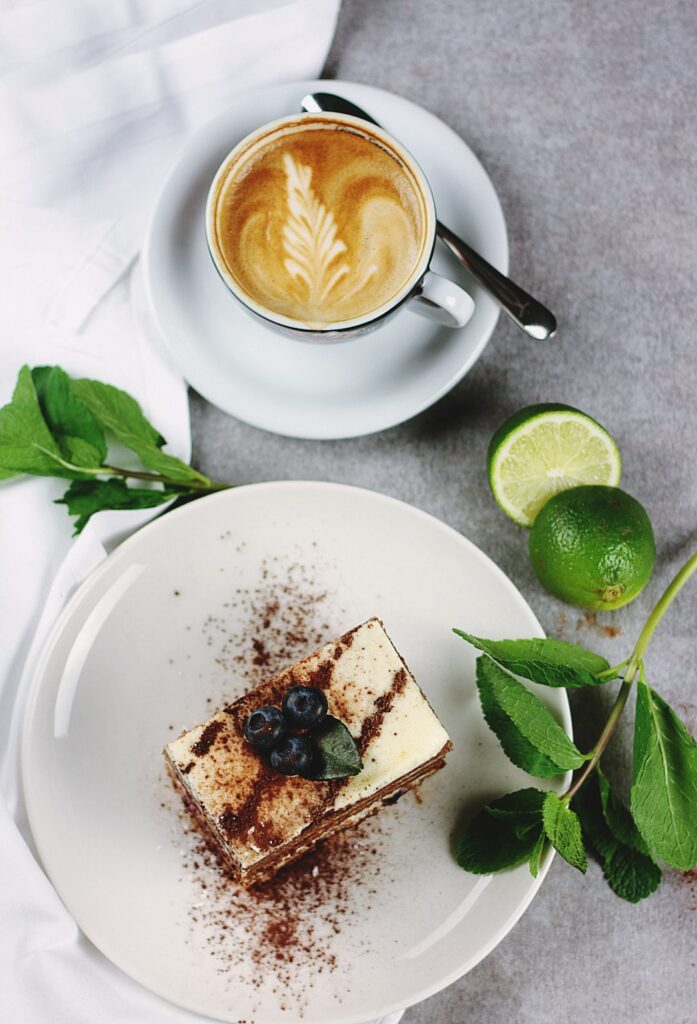
Coffee and dessert work best together when their flavors are balanced rather than simply matched by sweetness. A rich dessert may need a clean, bitter coffee, while a delicate pastry often pairs better with a lighter roast or a creamy preparation.
For residents of Ridgeland, MS, these pairings can be especially useful during warm-weather afternoons, family gatherings, weekend breakfasts, and relaxed evenings at home. The goal is not to follow rigid rules, but to understand how roast level, acidity, body, sweetness, and texture interact.
What makes coffee and dessert a good pairing?
A successful pairing usually creates contrast or harmony between the coffee and the dessert. Contrast keeps the combination from becoming heavy, while harmony connects similar flavors.
Coffee can contribute:
- Bitterness, which balances sugar and rich fats
- Acidity, which can brighten creamy or fruit-based desserts
- Roast flavors such as chocolate, toast, nuts, or caramel
- Body, which affects how substantial the drink feels
- Aroma, which influences the overall experience before the first sip
Desserts bring their own structure. A crisp cookie, dense cake, chilled pudding, and flaky pastry each affect the coffee differently. A very sweet dessert may make a light coffee taste thin, while a dark roast may overwhelm something subtle.
A useful starting point is to compare intensity. Light desserts generally pair with lighter-bodied coffee, and rich desserts usually stand up to fuller-bodied coffee. Exceptions can be enjoyable when the contrast is intentional.
Which coffee pairs well with chocolate desserts?
Chocolate desserts pair well with coffee that has naturally roasted, nutty, or cocoa-like characteristics. Medium and medium-dark roasts are common choices because they provide enough body to match chocolate without adding excessive bitterness.
For a chocolate cake, brownie, or flourless chocolate dessert, consider:
- Medium roast coffee for a balanced pairing
- Espresso for a concentrated, intense combination
- Coffee with caramel or nutty flavor notes
- A small amount of milk if the dessert is especially rich
Dark chocolate often benefits from coffee with moderate acidity. That acidity can keep the pairing from tasting flat. Milk chocolate is sweeter and creamier, so a more robust coffee can provide useful contrast.
A common misconception is that dark chocolate always requires dark-roasted coffee. In practice, an extremely dark roast can make both the dessert and the coffee taste bitter. A balanced medium roast may reveal more of the chocolate’s flavor.
How should coffee be paired with fruit desserts?
Fruit desserts usually pair best with coffee that has noticeable brightness or a clean finish. Light and medium roasts can work well because their acidity supports the tartness of berries, citrus, apples, and stone fruits.
Try these general combinations:
- Berry tart with a bright, light-bodied coffee
- Apple crisp with a medium roast featuring nutty or caramel notes
- Lemon dessert with a clean coffee softened by milk
- Peach or other stone-fruit pastry with a medium roast
- Dried-fruit dessert with a fuller coffee that has toasted flavors
The preparation method also matters. A fruit dessert served chilled may taste sharper beside hot black coffee. Adding a small amount of milk can soften the contrast. Conversely, a warm fruit crisp may pair comfortably with black coffee because the temperatures and textures feel naturally connected.
In warm and humid conditions, chilled desserts are common for gatherings and afternoon meals. Cold brew or iced coffee can be refreshing with fruit-based desserts, but its lower perceived acidity may pair better with tart fruit than with very sweet fruit fillings.
What coffee goes with cheesecake and creamy desserts?
Cheesecake, custard, panna cotta, mousse, and ice cream usually benefit from coffee that cuts through richness. Medium roast coffee is often versatile, while espresso provides a stronger contrast in smaller portions.
For creamy desserts:
- Use black coffee when the dessert is very rich or sweet.
- Add milk when the dessert is tart, such as a fruit-topped cheesecake.
- Choose a medium roast for vanilla, caramel, or plain custard.
- Try espresso with dense cheesecake or chocolate mousse.
- Use iced coffee when a cold, refreshing pairing is preferred.
Coffee acidity can be helpful with cream-based desserts, but excessive acidity may make a dessert taste sharper than intended. If the coffee tastes sour beside cheesecake or custard, a fuller roast or a milk-based preparation may create better balance.
Sugar should be added carefully. A sweetened coffee paired with a sweet dessert can quickly become overwhelming. Tasting the coffee and dessert together before adding sugar often gives a clearer sense of what is missing.
How do pastries and breakfast desserts change the pairing?
Flaky pastries, muffins, cinnamon rolls, and coffee cakes are generally flexible partners for coffee. Their butter, flour, spice, and sugar allow for a wide range of roast levels.

A few dependable choices include:
- Plain croissants with light or medium roast coffee
- Cinnamon rolls with medium-dark roast coffee
- Blueberry muffins with bright, medium-light coffee
- Nut pastries with medium roast coffee
- Oat-based baked goods with coffee featuring toasted or caramel notes
A pastry with a buttery texture may make coffee seem lighter, so a coffee with moderate body can prevent the combination from feeling unbalanced. Spiced desserts containing cinnamon, nutmeg, or clove often pair well with coffee that has toasted, cocoa, or caramel-like flavors.
The temperature of the pastry also matters. A warm pastry releases more aroma and may make the coffee taste less intense. A chilled pastry can seem denser and may call for a stronger or hotter coffee.
Does the coffee preparation method affect dessert pairing?
Yes. The same beans can taste different depending on how the coffee is prepared.
Black drip coffee tends to be versatile because it has moderate concentration and can accompany breakfast pastries, cakes, and cookies. Espresso is more intense and works best with rich desserts or small portions. Milk-based coffee softens bitterness and acidity, making it useful with fruit tarts, plain pastries, and less sweet desserts.
Cold brew is smooth and concentrated, but it may taste heavier than hot brewed coffee. It can pair well with chocolate, ice cream, and chilled desserts. Iced coffee with milk may be more suitable for warm afternoons when a hot drink would feel too heavy.
For residents preparing dessert at home, serving a small amount of coffee first can help avoid wasting a full cup on a pairing that feels unbalanced.
What are easy pairings for everyday desserts?
A few simple combinations can serve as practical starting points:
- Chocolate chip cookies with medium roast coffee
- Brownies with espresso or strong black coffee
- Shortbread with light roast coffee
- Carrot cake with medium roast coffee and a small amount of milk
- Banana bread with medium-dark roast coffee
- Rice pudding with medium roast coffee
- Ice cream with espresso poured over the top
- Fruit cobbler with black coffee or lightly sweetened iced coffee
These suggestions are not strict formulas. Personal taste, dessert sweetness, roast freshness, and serving temperature all matter.
How can someone find a preferred pairing?
Taste the dessert and coffee separately, then take a bite and sip in close succession. Pay attention to whether the coffee makes the dessert taste brighter, smoother, heavier, or more bitter.
If the pairing feels too sweet, try stronger black coffee or a darker roast. If it tastes bitter, use a lighter roast, add milk, or choose a less intense dessert. If the coffee disappears completely, select a fuller-bodied preparation or a dessert with less sugar.
The most reliable pairing is the one that keeps both parts recognizable. Coffee should complement the dessert rather than erase its flavor, and the dessert should soften or enrich the coffee without making it taste dull.